Notice: The clinic will be closing early today at 16:00. We apologise for any inconvenience.
Meningitis B Vaccine in Chelmsford
Protect yourself and your family against invasive meningococcal disease (IMD) with expert Meningitis B vaccination services. Same-day appointments available.
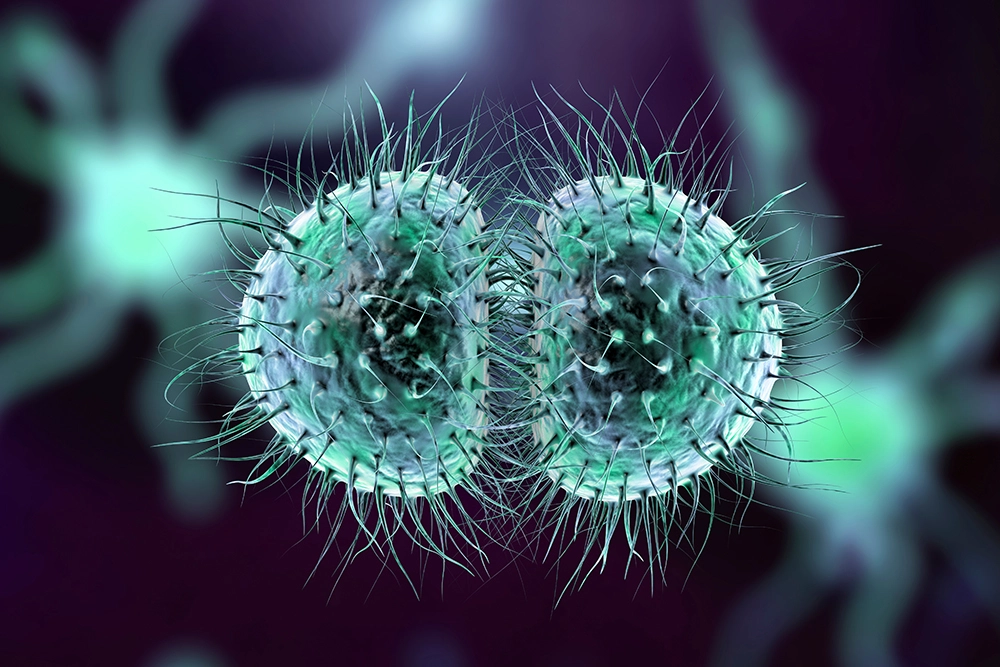
Understanding Meningitis & Invasive Meningococcal Disease
Meningitis is a serious infection of the protective membranes surrounding the brain and spinal cord. Invasive Meningococcal Disease (IMD) is a severe bacterial infection that can cause meningitis and septicaemia (blood poisoning).
What is Meningitis?
Meningitis is inflammation of the meninges (protective membranes covering the brain and spinal cord). It can be caused by bacteria, viruses, or fungi. Bacterial meningitis is the most serious form and requires immediate medical attention.
Meningococcal group B bacteria is the leading cause of bacterial meningitis in the UK, particularly affecting babies, young children, teenagers, and young adults.
What is IMD?
Invasive Meningococcal Disease (IMD) occurs when meningococcal bacteria enter the bloodstream or meninges. It can cause meningitis, septicaemia (blood poisoning), or both simultaneously.
IMD is a medical emergency that can progress rapidly. Without prompt treatment, it can lead to serious complications including brain damage, hearing loss, limb amputation, or death.
Why Vaccination is Critical
The Meningitis B vaccine is the most effective way to prevent IMD caused by group B bacteria. Since its introduction in the UK childhood immunisation programme in 2015, cases of MenB disease in babies have fallen by over 75%. Vaccination not only protects the individual but also helps reduce transmission in the community.
Recognising Meningitis & IMD Symptoms
Early recognition of symptoms is crucial. Meningitis and septicaemia can develop rapidly, so immediate medical attention is essential if you suspect these conditions.
Adults & Older Children
- High fever
Sudden onset of high temperature
- Severe headache
Intense, persistent headache
- Stiff neck
Difficulty bending neck forward
- Photophobia
Dislike of bright lights
- Vomiting or nausea
Persistent vomiting
- Confusion or drowsiness
Altered mental state, difficulty waking
- Seizures (fits)
Convulsions or fitting episodes
- Muscle and joint pain
Severe aches and pains
Babies & Young Children
- High-pitched crying
Unusual, moaning cry
- Refusing feeds
Not feeding or vomiting
- Irritability
Not wanting to be held, fretful
- Drowsiness or floppiness
Difficult to wake, lethargic
- Bulging fontanelle
Soft spot on head is tense or bulging
- Pale or blotchy skin
Unusual skin colour or appearance
- Rapid breathing
Breathing faster than normal
Critical Warning Sign: Non-Blanching Rash
A non-blanching rash (spots or blotches that don't fade when pressed with a glass) is a sign of septicaemia and requires immediate emergency medical attention. However, the rash may appear late or not at all, so do not wait for a rash if other symptoms are present.
Glass Test:
Press the side of a clear glass firmly against the rash. If the spots don't fade and you can still see them through the glass, seek emergency medical help immediately by calling 999.
Emergency Treatment for Suspected IMD
Latest guidance from the UK Health Security Agency (UKHSA) for managing suspected invasive meningococcal disease.
Highest Priority: Rapid Hospital Admission
Rapid admission to hospital is the highest priority when Invasive Meningococcal Disease (IMD) is suspected. Time is critical.
First-Line: IV/IM Ceftriaxone
Immediate single dose of IV/IM Ceftriaxone for suspected meningococcal infections:
- Adults:
Dose 2g stat
- Children ≥50kg or ≥9 years:
Dose 2g stat
- Children <50kg or <9 years:
Dose 80-100 mg/kg (maximum 4g per dose)
Alternative: IV/IM Benzylpenicillin
Immediate single dose of IV/IM Benzylpenicillin sodium for suspected meningococcal infections:
- Adults & children ≥10 years:
Dose 1.2g
- Children aged 1-9 years:
Dose 600mg
- Children <1 year:
Dose 300mg
Important Clinical Note
This guidance is for healthcare professionals managing suspected IMD cases. If you suspect meningitis or septicaemia, call 999 immediately or go to your nearest A&E department. Do not delay seeking emergency medical care.
Causes & How Meningitis Spreads
Understanding how meningococcal bacteria spread helps you take preventive measures to protect yourself and others.
Close Contact
Spread through respiratory droplets from coughing, sneezing, or kissing. Close and prolonged contact increases risk.
Bacterial Infection
Caused by Neisseria meningitidis bacteria. Group B is the most common strain in the UK, followed by groups W, Y, and C.
High-Risk Settings
University halls, military barracks, boarding schools, and other crowded living environments increase transmission risk.
Who is at Higher Risk?
- Babies and young children (especially under 1 year)
- Teenagers and young adults (15-24 years)
- University students in first year
- People with weakened immune systems
- Those without a functioning spleen
- Laboratory workers handling meningococcal bacteria
- Travellers to high-risk areas (e.g., sub-Saharan Africa)
- Close contacts of confirmed IMD cases
Prevention: The Meningitis B Vaccine
Vaccination is the most effective way to prevent invasive meningococcal disease. The MenB vaccine provides excellent protection against group B meningococcal bacteria.
About the MenB Vaccine
- Highly effective:
Over 95% effective at preventing MenB disease
- Proven safety record:
Used in millions of people worldwide since 2013
- NHS programme:
Part of UK childhood immunisation since 2015
- Rapid protection:
Immunity develops within 2-4 weeks
Vaccination Schedule
Babies (NHS Programme)
- •1st dose: 8 weeks old
- •2nd dose: 16 weeks old
- •Booster: 1 year old
Older Children & Adults
- •2 doses given 1-2 months apart
- •Booster may be recommended for high-risk groups
University Students
- •Recommended before starting university
- •Ideally 2-4 weeks before term starts
Protect Yourself & Your Family Today
Book your Meningitis B vaccination at Chelmsford Health Centre. Same-day appointments available with expert healthcare professionals.
Treatment of Meningitis & IMD
Invasive meningococcal disease is a medical emergency requiring immediate hospital treatment. Early intervention saves lives.
Emergency Care
Immediate hospital admission to intensive care or high-dependency unit for close monitoring and aggressive treatment.
Antibiotics
Intravenous antibiotics (ceftriaxone or benzylpenicillin) started immediately, often before diagnostic confirmation.
Supportive Care
IV fluids, oxygen therapy, blood pressure support, and treatment of complications as needed.
Hospital Treatment May Include:
- Intravenous antibiotics (typically 7-10 days)
- IV fluids and electrolyte management
- Oxygen therapy or mechanical ventilation
- Blood pressure support with medications
- Treatment for seizures if they occur
- Monitoring for organ dysfunction
- Blood transfusions if needed
- Dialysis for kidney failure
Prevention is Better Than Treatment
While modern medical treatment has improved survival rates, meningococcal disease can still cause serious complications and death. The best approach is prevention through vaccination.
The MenB vaccine is safe, effective, and provides excellent protection against the most common cause of bacterial meningitis in the UK. Don't wait – protect yourself and your loved ones today.
Why Choose Chelmsford Health Centre?
Expert vaccination services with a patient-focused approach in the heart of Essex.
Same-Day Appointments
Fast access to vaccination services when you need them
Expert Healthcare Team
GMC-registered doctors and experienced nurses
Safe & Regulated
CQC-registered with highest safety standards
Convenient Location
Central Chelmsford with easy parking access
Frequently Asked Questions
Common questions about the Meningitis B vaccine and invasive meningococcal disease.
Still have questions about the Meningitis B vaccine?
Don't Wait – Get Protected Today
Meningitis B can strike quickly and cause serious harm. Protect yourself and your family with the MenB vaccine at Chelmsford Health Centre.
Open 7 days a week • Same-day appointments available • Expert care team
Related Services
Explore our other healthcare services
PAGE REVIEW INFORMATION
Clinically reviewed:
5 January 2026
Review cycle:
Reviewed at least annually, and sooner if service details change.
Medically reviewed by:
Dr Raja Mohan
Book Meningitis B Vaccination
Protect against invasive meningococcal disease with same-day appointments available